
Buying the Right Used Equipment is a Long-Term Investment
30th Sep, 2026
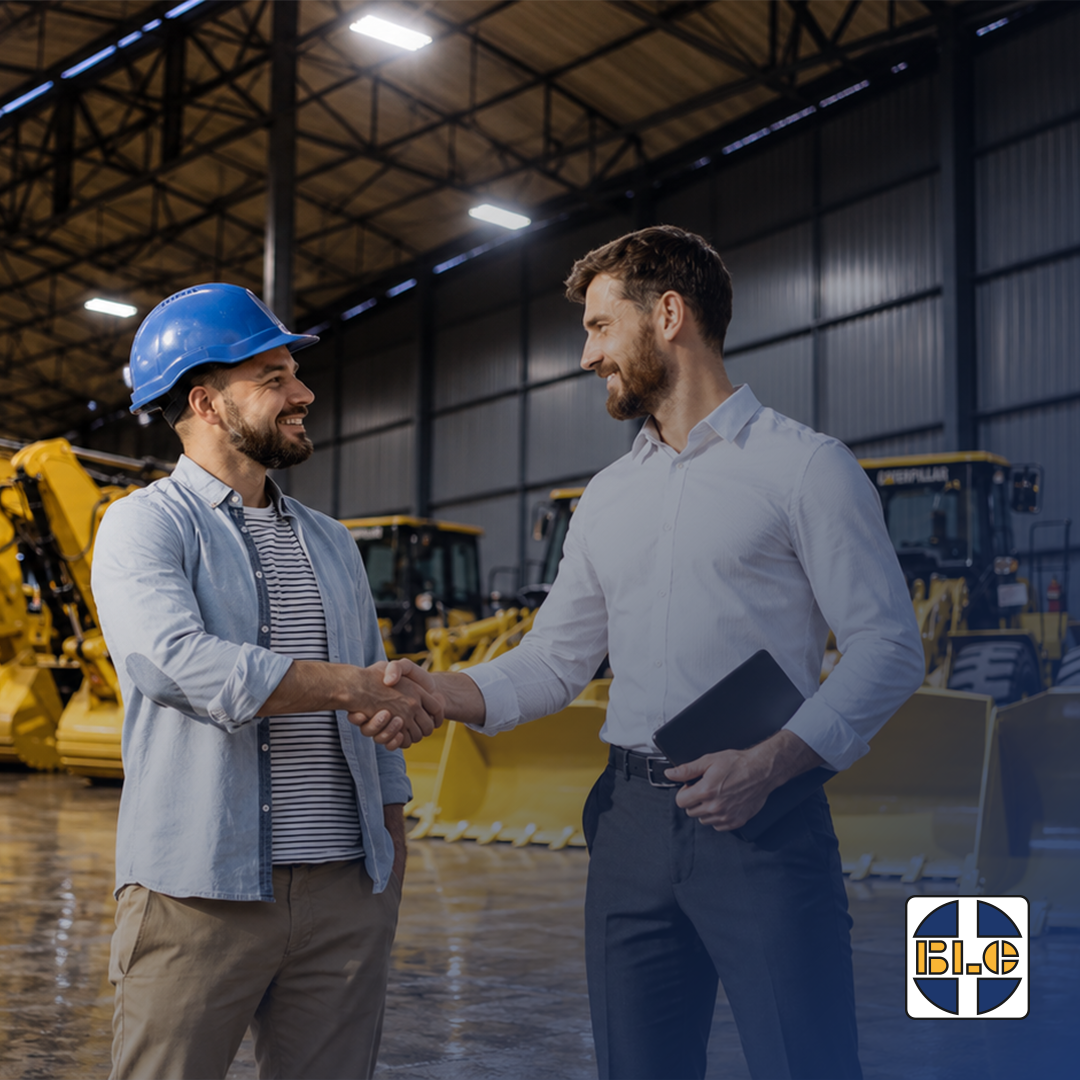
Heavy equipment is a major investment for any construction, mining, or earthmoving business. The machine you buy needs to do more than complete the immediate job. It needs to support production, fit into the wider fleet, and continue delivering value throughout the time the business owns it.
For this reason, the decision to buy used equipment should not be based on purchase price alone.
A lower-priced machine may look attractive initially, but if it is poorly matched to the application, requires frequent repairs, or cannot be supported with the right parts, the cost of ownership can quickly increase. On the other hand, a well-selected used machine that still has productive life remaining can give a business access to the equipment it needs without the capital required for an equivalent new machine.
At BLC Plant, we work with contractors, mining operators, and earthmoving businesses that rely on heavy equipment in demanding working conditions. From what we see, the strongest used equipment purchases are not necessarily the machines with the lowest purchase price. They are the machines that are properly matched to the work, assessed carefully, and supported throughout their working life.
The question is therefore not simply whether used equipment costs less.
The more important question is whether the machine can deliver enough productive value over the time the business owns it.
Purchase Price Is Only One Part of Equipment Value
When businesses compare equipment, purchase price is usually one of the first considerations.
It matters, but it does not tell the full story.
The long-term value of a machine also depends on how often it will be used, what work it will perform, its condition at purchase, expected maintenance requirements, parts availability, downtime, and how much productive life remains.
A cheaper machine that regularly stands because of mechanical problems may ultimately offer poorer value than a machine that costs more initially but performs consistently and can be properly supported.
The opposite can also be true. Investing in a larger or more expensive machine than the operation actually needs can tie up capital without providing enough additional productive value.
This is why used equipment should be assessed across its expected working life rather than only at the point of purchase.
Before buying, it helps to consider:
-
What role will the machine perform?
-
How often will it be used?
-
Is the machine correctly sized for the application?
-
What condition are its major components in?
-
What maintenance is likely to be required?
-
Are parts and support readily available?
-
How long does the business expect to keep the machine?
-
Will it remain useful across future projects?
The strongest equipment investment is one where the machine continues to justify its place in the fleet.
Consistent Utilisation Strengthens the Case for Ownership
One of the most important considerations when investing in equipment is utilisation.
A machine that performs a regular role across projects has more opportunity to generate productive value for the business.
An excavator may move between earthworks, trenching, loading and site preparation. An articulated dump truck may be required consistently for hauling on mining or bulk earthworks projects. Wheel loaders may support ongoing material handling, while dozers and graders may remain important across site preparation, road construction and haul-road work.
When equipment forms part of the core work a business performs, ownership can give the company a productive asset that can be deployed across different jobs.
This is particularly relevant when the business has a predictable pipeline of work and knows that the machine will continue to be required.
However, utilisation should be considered realistically.
Buying a machine simply because a project requires it today does not automatically make it a good long-term investment. The business should consider whether there is enough work for the machine after the current project and whether it can be used effectively elsewhere in the fleet.
At BLC Plant, this is an important part of the equipment conversation. The machine should not only make sense for the immediate requirement. It should make sense for how the business expects to use it over time.
The more consistently a suitable machine can be put to productive work, the stronger the long-term case for ownership becomes.
The Machine Must Be Matched to the Work
Buying used equipment only creates value if the machine is right for the application.
A good purchase price cannot compensate for a machine that is poorly matched to the job.
A machine that is too small may need to work harder and for longer to achieve production targets. This can increase wear, slow cycle times and place unnecessary pressure on components.
A machine that is too large may increase fuel use, transport requirements and operating costs without providing enough additional productivity to justify its size.
The right machine depends on factors such as:
-
application
-
material type
-
site conditions
-
required capacity
-
production targets
-
terrain
-
haul distance
-
access and working space
-
attachment requirements
-
expected operating hours
For example, an excavator used for general construction work may have very different requirements from one working in mining or quarrying. An ADT operating on short, demanding haul routes needs to be assessed differently from a truck working over longer distances. A grader maintaining haul roads has a different role from one supporting road construction.
Attachments also need to be considered. If an excavator will regularly operate a hydraulic hammer, the machine must have the correct hydraulic flow, pressure, carrier weight, and stability for that attachment.
From what we see on active sites, equipment performs best when the machine and the work are considered together.
Buying the wrong machine does not become a good investment simply because the purchase price was attractive.
Used Equipment Can Reduce the Capital Required to Build a Fleet
One of the practical advantages of used equipment is that it can allow businesses to add productive machinery without the capital required for equivalent new equipment.
For a growing contractor or fleet owner, this can create more flexibility when replacing ageing machines, expanding capacity, or preparing for upcoming work.
Instead of allocating a larger portion of available capital to one new machine, a business may be able to invest in used equipment while retaining capital for other operational requirements.
This can be particularly valuable when a business needs to strengthen several areas of its fleet.
For example, a contractor may need an additional excavator for earthworks, a loader for material handling, and a grader for road preparation. The equipment strategy should consider where capital can create the most productive value across the operation rather than focusing on one purchase in isolation.
However, lower acquisition cost should never be treated as the only reason to buy used.
The machine still needs enough productive life remaining to justify the investment.
A low purchase price can quickly lose its advantage if the equipment requires major unexpected repairs shortly after purchase, regularly interrupts production or is difficult to support.
The opportunity with used equipment is therefore not simply to spend less. It is to invest available capital in machinery that can continue contributing to the business.
Machine Condition Determines Whether Used Equipment Is Good Value
The condition of a used machine is one of the most important factors in determining its long-term value.
Two machines of a similar model, age, and operating hours can be in very different conditions depending on how they were used, maintained, and repaired.
This is why machine hours alone should not determine the buying decision.
Before investing in used equipment, important areas to assess may include:
-
engine condition
-
transmission performance
-
hydraulic system
-
drivetrain
-
undercarriage
-
tyres or tracks
-
structural condition
-
boom and arm condition where relevant
-
pins and bushings
-
leaks
-
service history
-
previous repairs
-
attachment condition
-
general signs of wear
The operating environment should also be considered.
A machine that has spent its working life in abrasive mining conditions may show different wear from one used in lighter construction work. Poor maintenance can accelerate component wear, while a machine with higher hours but consistent maintenance may still have productive life remaining.
In our experience, buyers get a clearer picture when they look beyond the hour meter and consider the complete machine.
The important question is not simply how much the machine has worked. It is what condition it is in now and what it is likely to require during the next stage of its working life.
Refurbishment Can Change the Value of a Used Machine
There is also an important difference between equipment sold in its existing condition and equipment that has been inspected, repaired or refurbished before sale.
Used equipment may still be fully capable of performing productive work, but the level of preparation can influence what the buyer should expect after purchase.
A structured inspection can identify worn components, leaks, structural issues and areas requiring attention. Depending on the machine and its condition, repairs or refurbishment may then be carried out before the equipment is returned to work.
This can include attention to mechanical components, hydraulics, undercarriage, wear items or other areas depending on what the inspection identifies.
The extent of refurbishment will vary from machine to machine. It is therefore important for buyers to understand what work has been completed and what condition the major components are in.
At BLC Plant, this is why the condition and preparation of a machine matter as much as the model or purchase price. A used machine should be considered according to what it can realistically deliver in its next working environment.
For the buyer, greater visibility of machine condition makes it easier to plan maintenance, understand potential future requirements, and assess whether the equipment fits the long-term fleet strategy.
Parts Availability and Aftersales Support Protect Long-Term Value
Buying the machine is only the beginning of ownership.
Heavy equipment operates under demanding conditions, and over time it will require maintenance, wear parts, and component support.
Depending on the machine, this may include:
-
filters
-
hoses and seals
-
hydraulic components
-
pins and bushings
-
undercarriage components
-
engine parts
-
transmission and drivetrain components
-
tyres or tracks
-
buckets and attachments
-
electrical components
This is why parts availability should be considered before buying used equipment.
A machine may be in good condition at purchase, but if parts are difficult to source when maintenance or repairs are required, standing time can increase.
Support becomes even more important when a major component needs attention.
An engine, transmission, final drive, or hydraulic component may eventually require repair, rebuilding, or replacement. Access to parts, reconditioned components, and experienced support can give the owner more options when these decisions need to be made.
At BLC Plant, we see equipment ownership as more than the initial sale. The machine needs to remain supportable throughout the time it is working in the customer's fleet.
The long-term value of used equipment depends partly on how easily it can be maintained and supported when the operation needs it.
Ownership Can Give Businesses More Control Over Fleet Availability
For businesses that regularly require the same equipment, ownership can provide greater control over when and how that machinery is deployed.
The business can plan machine availability around its own project schedule, move equipment between sites, and coordinate maintenance around expected workloads.
Ownership can also create consistency for operators.
When operators regularly work with the same machine, they become familiar with its controls, performance, and operating characteristics. Maintenance teams also develop a clearer understanding of the machine's history and recurring requirements.
For contractors managing several projects, this can make fleet planning easier.
An owned excavator may move from one earthworks project to another. A grader may support several road construction sites over its working life. A wheel loader may remain in regular use wherever the business needs material handling capacity.
This does not mean every machine requirement automatically justifies ownership.
The strongest case exists where the equipment is regularly required, and the business can keep it productively utilised.
When that is the case, having core machinery available within the fleet can give the business more direct control over deployment, maintenance and long-term planning.
Think About the Value That Remains in the Machine
Heavy equipment is a productive asset, but it may also retain value beyond the work it performs during ownership.
When a machine has been selected correctly, maintained properly and supported throughout its working life, there may still be value remaining when the business eventually decides to replace or sell it.
Future value depends on several factors, including:
-
machine type
-
condition
-
operating hours
-
maintenance history
-
component condition
-
market demand
-
age
-
overall presentation
There are no guarantees about what a machine will be worth in the future, but condition and maintenance matter.
This is another reason to look beyond the initial purchase price.
The value of ownership includes both the productive work the machine performs and the condition of the asset that remains afterwards.
For businesses managing equipment over several years, maintaining accurate service records and addressing problems before they become major failures can help protect both productivity and machine condition.
Common Mistakes When Buying Used Equipment
Used equipment can offer strong long-term value, but poor buying decisions can quickly reduce that advantage.
Some common mistakes include:
-
choosing a machine based on price alone
-
buying more machine than the operation needs
-
buying a machine that is too small for the application
-
focusing only on operating hours
-
ignoring service history
-
failing to assess major components
-
overlooking undercarriage or drivetrain condition
-
ignoring hydraulic performance
-
not considering attachments
-
failing to account for transport and mobilisation
-
overlooking parts availability
-
not considering expected utilisation
-
buying without planning for maintenance
-
ignoring long-term support
-
buying from an unknown or unsupported source
One of the biggest risks is focusing on the immediate savings while overlooking what the machine may require after purchase.
A lower-priced machine can become expensive if major repairs are required soon afterwards. Likewise, a machine in good condition can still be the wrong investment if it does not fit the application or cannot be used consistently.
The better approach is to assess the machine as part of the wider business.
-
What work will it perform?
-
How often will it work?
-
What condition is it in?
-
What will it require to remain productive?
-
Can parts be sourced?
-
Who will support it?
-
Does it fit future projects as well as the current one?
The answers to these questions provide a much stronger basis for an equipment investment than price alone.
Why the Supplier Matters When Buying Used Equipment
The supplier behind a used machine can influence what happens both before and after the sale.
A reputable equipment supplier should be able to help the buyer understand what they are purchasing and whether the machine is suitable for the intended application.
Important considerations include:
-
knowledge of heavy equipment
-
inspection capability
-
workshop support
-
understanding of major components
-
parts access
-
machine preparation
-
aftersales support
-
ability to assist when equipment requirements change
This becomes especially important with older or high-hour machines, where understanding component condition and future support requirements can help the buyer make a more informed decision.
A supplier that can support both the machine and its components gives the customer more options over the equipment's working life.
If a component eventually requires attention, the solution may involve a repair, a reconditioned component, or a rebuild. If the machine no longer suits the operation, the business may need to consider replacement equipment.
This is why the supplier relationship should extend beyond finding a machine at the right price.
How BLC Plant Supports Used Equipment Buyers
At BLC Plant, we work with customers across construction, mining, and earthmoving to help them find machinery suited to their operating requirements.
Our equipment offering includes used earthmoving and construction machinery across different machine categories and applications.
But the equipment decision does not end when a machine is purchased.
Customers also need access to parts, component support, and practical equipment knowledge throughout the machine's working life.
BLC Plant's wider offering allows customers to consider the complete equipment lifecycle, from selecting and purchasing machinery through to parts, reconditioned components, attachments and long-term support.
For one customer, the right investment may be an excavator that can move between several construction projects. For another, it may be an ADT that forms part of a regular haulage operation. A mining business may need equipment capable of working consistently in demanding conditions, while a growing contractor may be looking to expand fleet capacity for confirmed work.
The right machine will be different in each situation.
Our role is to help customers look at the application, machine condition, expected utilisation and support requirements so that the equipment makes practical sense for the operation.
Final Thoughts
Buying used equipment can be a strong long-term investment, but the value does not come simply from paying less upfront.
It comes from choosing the right machine for the work.
A used machine should be matched to the application, used consistently enough to justify ownership, assessed carefully before purchase and supported throughout its working life.
Machine condition, parts availability, maintenance, component support and the reputation of the supplier all influence what the equipment will ultimately deliver for the business.
When these factors are considered together, used equipment can give construction, mining and earthmoving businesses a practical way to build fleet capacity, replace ageing machinery and invest in productive assets without relying only on new equipment.
At BLC Plant, we believe the strongest equipment decisions are the ones that make sense not only on the day the machine is purchased, but throughout the time it is expected to work.
Invest in Used Equipment That Works for Your Business
If you're looking to add to your fleet, replace an ageing machine or invest in equipment for upcoming work, the right used machine should be selected around your application, expected utilisation and long-term business needs.
Speak to BLC Plant about available used construction, mining and earthmoving equipment and find a machine that makes practical sense for your operation.