
Choose the Right Equipment for Open-Cast Mining Operations
27th May, 2026
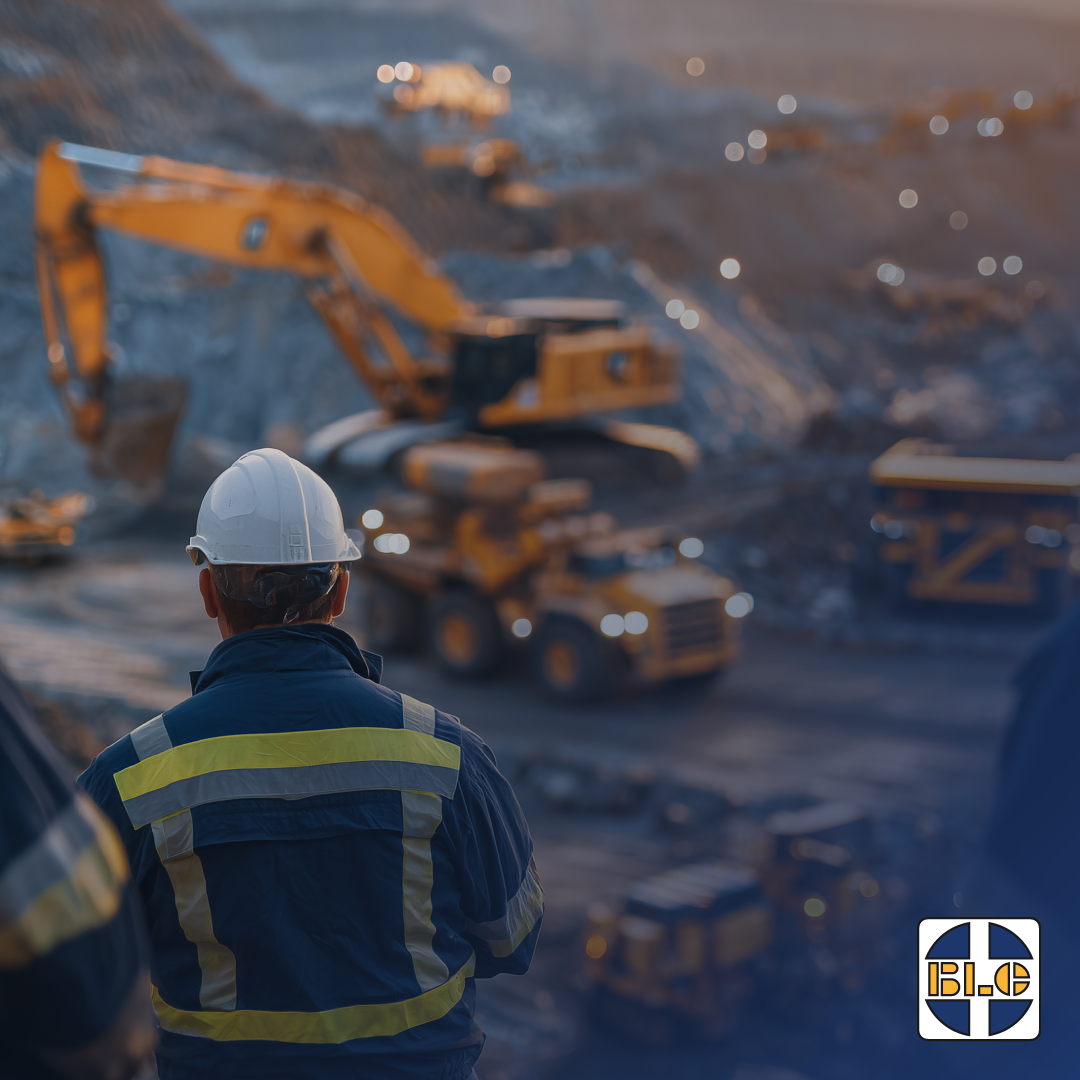
Open-cast mining operations rely on the performance, reliability, and efficiency of heavy equipment. At BLC Plant, we’ve worked alongside mining operations across South Africa, where equipment decisions directly impact output, cost control, and downtime.
Choosing the right mining equipment is not just about what is available; it’s about how well those machines perform together under real site conditions.
Understanding the Demands of Open-Cast Mining
Open-cast mining involves moving large volumes of material consistently across different stages of the operation, from overburden removal to loading, hauling, and site maintenance.
In practice, the challenge is rarely a lack of machines. It’s how effectively those machines are matched to the task and to each other. When mining equipment is selected in isolation, small inefficiencies in one part of the cycle tend to affect the entire operation.
Key Equipment in Open-Cast Mining
Excavators
Excavators set the pace for most loading operations. If loading is slow or inconsistent, the rest of the fleet is affected.
One of the most common issues on site is a mismatch between excavator capacity and the hauling fleet. When the excavator outpaces the trucks, or vice versa, cycle times become inconsistent and productivity drops.
Selecting the right excavator comes down to:
-
Bucket capacity relative to truck size
-
Cycle time and loading efficiency
-
Reach and digging requirements
A well-matched excavator keeps material moving consistently and stabilises production across the site.
Articulated Dump Trucks (ADTs)
Haulage is where most operations either gain or lose efficiency.
ADTs are designed to handle uneven terrain, but performance depends heavily on how well they are suited to the site. We often see inefficiencies where trucks are either under capacity or struggle with haul distances and gradients.
Key considerations include:
-
Haul distance and site layout
-
Ground conditions
-
Payload relative to loading equipment
When ADTs are correctly matched to both the excavator and the site conditions, material flow becomes more predictable, and delays are reduced.
Wheel Loaders
Wheel loaders play a supporting role, but their impact on site efficiency is often underestimated.
They are typically used for stockpiling and material handling, where flexibility is required. On many sites, delays in these supporting activities create knock-on effects for the rest of the operation.
Choosing the right loader depends on:
-
Bucket capacity
-
Handling requirements
-
Ease of operation in confined or high-traffic areas
A well-selected loader keeps supporting operations running smoothly and prevents unnecessary slowdowns.
Dozers
Dozers are essential for preparing and maintaining working areas.
Their role is less about production and more about keeping the site functional, clearing material, maintaining access, and supporting other machines.
In most operations, issues arise when dozers are either underpowered for the task or not properly utilised, leading to delays in site preparation and road maintenance.
Selection should be based on:
-
Ground conditions
-
Material type
-
Required pushing capacity
Motor Graders
Motor graders are critical for maintaining haul roads, which directly affects machine performance.
Poor road conditions slow down haulage, increase fuel consumption, and accelerate wear on equipment. This is often one of the most overlooked factors impacting productivity.
Consistent road maintenance improves:
-
Cycle times
-
Fuel efficiency
-
Machine lifespan
Matching Equipment to the Operation
Selecting the right machines is only part of the process; the real impact comes from how those machines work together.
Fleet Compatibility
Mismatched fleets are one of the most common causes of lost productivity.
In many cases, machines are individually capable, but not aligned. This leads to:
-
Idle time between cycles
-
Inconsistent loading and hauling
-
Reduced overall output
A balanced fleet ensures that each part of the operation supports the next, rather than slowing it down.
Site Conditions
Equipment performance is always influenced by site conditions.
Terrain, haul distances, and weather all affect how machines operate. Equipment that works well on one site may not deliver the same results on another if these factors are not considered.
Selecting equipment with the site in mind reduces strain on machines and improves consistency.
Project Scale and Duration
The scale and duration of a mining operation will influence how equipment is sourced.
Short-term projects often require flexibility, while longer-term operations need equipment that can be consistently utilised over time.
In many cases, a combination of owned equipment and rentals provides the best balance between cost and availability.
Reliability and Ongoing Support
In open-cast mining, downtime quickly becomes a production issue.
Equipment selection should always take into account how machines will be supported once they are on site. Access to parts, maintenance, and technical support plays a major role in keeping operations running.
At BLC Plant, we support mining operations not only with mining equipment supply but also with parts, rebuilds, and field service, helping to reduce downtime and maintain consistent performance.
Final Thoughts
Choosing the right mining equipment for an open-cast operation is about more than selecting individual machines. It requires an understanding of how equipment performs under real conditions and how each part of the fleet contributes to the overall cycle.
When machines are properly matched to the site and supported effectively, operations run more consistently, and production targets are easier to maintain.
If you're unsure whether your current equipment setup is optimised, it may be worth reviewing your fleet before your next project phase.
Choosing the right equipment for an open-cast mining operation is not always straightforward, and getting it wrong can impact your entire operation.
At BLC Plant, we work with mining operations to help match the right mining equipment to site conditions, production targets, and budget requirements.
If you’re planning a project or reviewing your current fleet, speak to our team for practical guidance on the best equipment solution for your operation.