
The Benefits of Renting vs. Buying Heavy Equipment
4th Feb, 2026
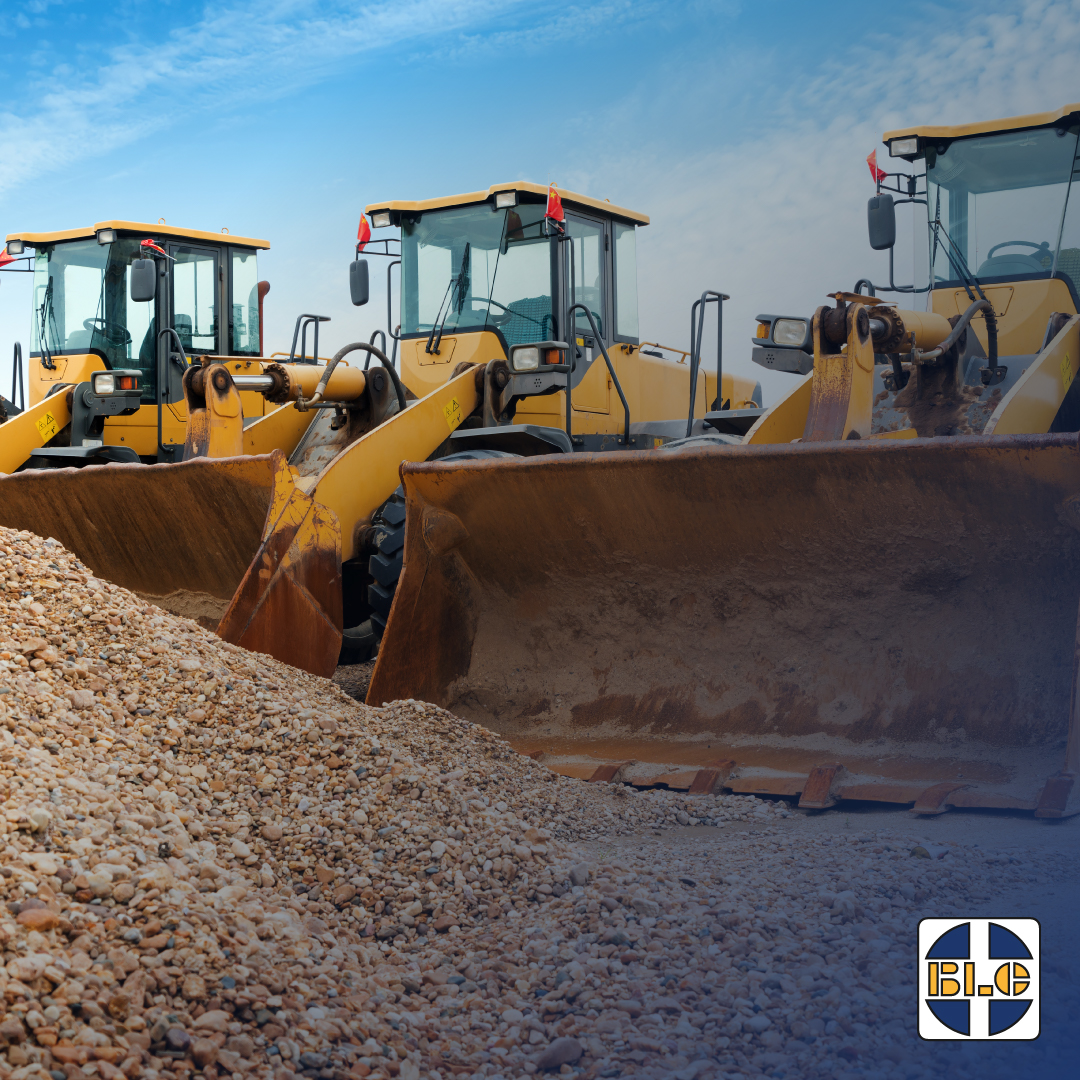
At BLC Plant, one of the most common conversations we have with contractors, plant managers, and business owners is this:
Should we rent equipment, or should we buy it?
There is no one-size-fits-all answer. The right decision depends on how you operate, how often the machine will be used, and how you manage cost, risk, and growth. As a plant equipment dealer that supports both buyers and sellers, our role is to help you make a decision that makes commercial sense – not just today, but over the life of the machine.
Below, we break down the real-world benefits of renting vs. buying heavy equipment, and how to decide which route suits your operation best.
Understanding the Real Cost of Equipment Ownership
Heavy equipment is a capital-intensive investment. Whether new or used, buying machinery ties up cash and commits your business to long-term ownership responsibilities.
Ownership costs go far beyond the purchase price and typically include:
-
Financing or capital outlay
-
Insurance and compliance
-
Scheduled servicing and repairs
-
Wear-related rebuilds
-
Downtime risk
-
Resale value and depreciation
When these factors are fully considered, the cheapest machine to buy is often not the cheapest machine to own. This is why the rent-versus-buy discussion is so important.
The Benefits of Renting Heavy Equipment
Renting is often the right choice for businesses that prioritise flexibility, cash flow protection, and short-term certainty.
1. Lower Upfront Cost
Renting eliminates the need for a large capital purchase. This is particularly valuable when:
-
Projects are short-term
-
Cash flow must be preserved
-
Capital is better deployed elsewhere in the business
Instead of tying up funds in a depreciating asset, rental allows for predictable monthly costs.
2. Flexibility for Project-Based Work
Rental equipment works well when machine requirements change from project to project. You can:
-
Use the right machine for the job
-
Upsize or downsize as project scopes change
-
Avoid owning underutilised assets
For contractors with fluctuating workloads, this flexibility is critical.
3. Reduced Maintenance Responsibility
Rental agreements typically include maintenance and servicing. This means:
-
Less downtime risk
-
No unexpected repair bills
-
No long-term maintenance planning
For businesses without in-house technical teams, this can significantly reduce operational stress.
4. Short-Term Risk Management
When workloads are uncertain or contracts are not guaranteed, renting reduces exposure. You are not left holding an asset if:
-
A project is delayed
-
A contract ends early
-
Market conditions shift
The Benefits of Buying Heavy Equipment
Buying becomes increasingly attractive when equipment is used consistently and strategically over time.
1. Lower Long-Term Cost for High Utilisation
If a machine is used frequently, ownership usually delivers better value over its working life. Once financing is settled:
-
Ongoing costs stabilise
-
Cost per hour drops
-
The machine becomes an income-generating asset
This is especially true for core machines used daily.
2. Full Control Over Availability
Owned equipment is always available when you need it. There is no dependency on rental availability or lead times, which is crucial for:
-
Long-term projects
-
Tight schedules
-
Remote or continuous operations
3. Asset Value and Resale Opportunity
Unlike rental payments, purchased equipment retains value. With the right machine and proper maintenance:
-
You can resell when it no longer fits your operation
-
Trade-ins can support fleet upgrades
-
Well-chosen used equipment can hold value remarkably well
As equipment dealers, we see firsthand how smart buying decisions translate into strong resale outcomes.
4. Customisation and Familiarity
Owned machines can be set up specifically for your operation. Operators become familiar with:
-
Controls and performance
-
Machine behaviour under load
-
Maintenance history
This often leads to better productivity and safer operation.
Renting vs. Buying: How to Decide
When advising clients, we encourage them to consider a few practical questions:
-
How often will this machine be used?
-
Is the requirement short-term or ongoing?
-
Can the business absorb downtime risk?
-
Is capital better used elsewhere?
-
Will this machine still suit the business in 2–5 years?
If the equipment is core to daily operations, buying often makes sense. If it supports occasional or variable work, renting is usually the smarter option.
In many cases, the best strategy is a mix of both.
Why Used Equipment Often Bridges the Gap
Used equipment plays a powerful role in the rent-versus-buy decision. A well-selected used machine can:
-
Reduce capital outlay compared to new
-
Deliver ownership benefits sooner
-
Lower depreciation risk
-
Improve the total cost of ownership
At BLC Plant, we specialise in helping clients source quality used plant equipment that aligns with real operational needs – not just budgets.
Our Role as Your Plant Equipment Partner
We position ourselves as more than just a seller of machines. Our goal is to be the go-to plant equipment dealer, whether you are:
-
Buying equipment to grow your fleet
-
Selling surplus or underutilised machinery
-
Replacing rental dependency with ownership
-
Structuring smarter long-term equipment strategies
Because we work with both buyers and sellers daily, we understand real market values, utilisation patterns, and lifecycle costs. That insight allows us to guide decisions that are commercially sound and operationally practical.
Final Thoughts
Renting and buying both have their place in a well-run construction or earthmoving business. The key is understanding why you are choosing one over the other – and what that choice means over time.
At BLC Plant, we help you cut through assumptions and focus on what actually works for your operation. Whether you need flexibility, long-term value, or a smarter balance between the two, we are here to support every stage of your equipment journey.