
To Repair, Rebuild or Replace Heavy Equipment Components?
2nd Sep, 2026
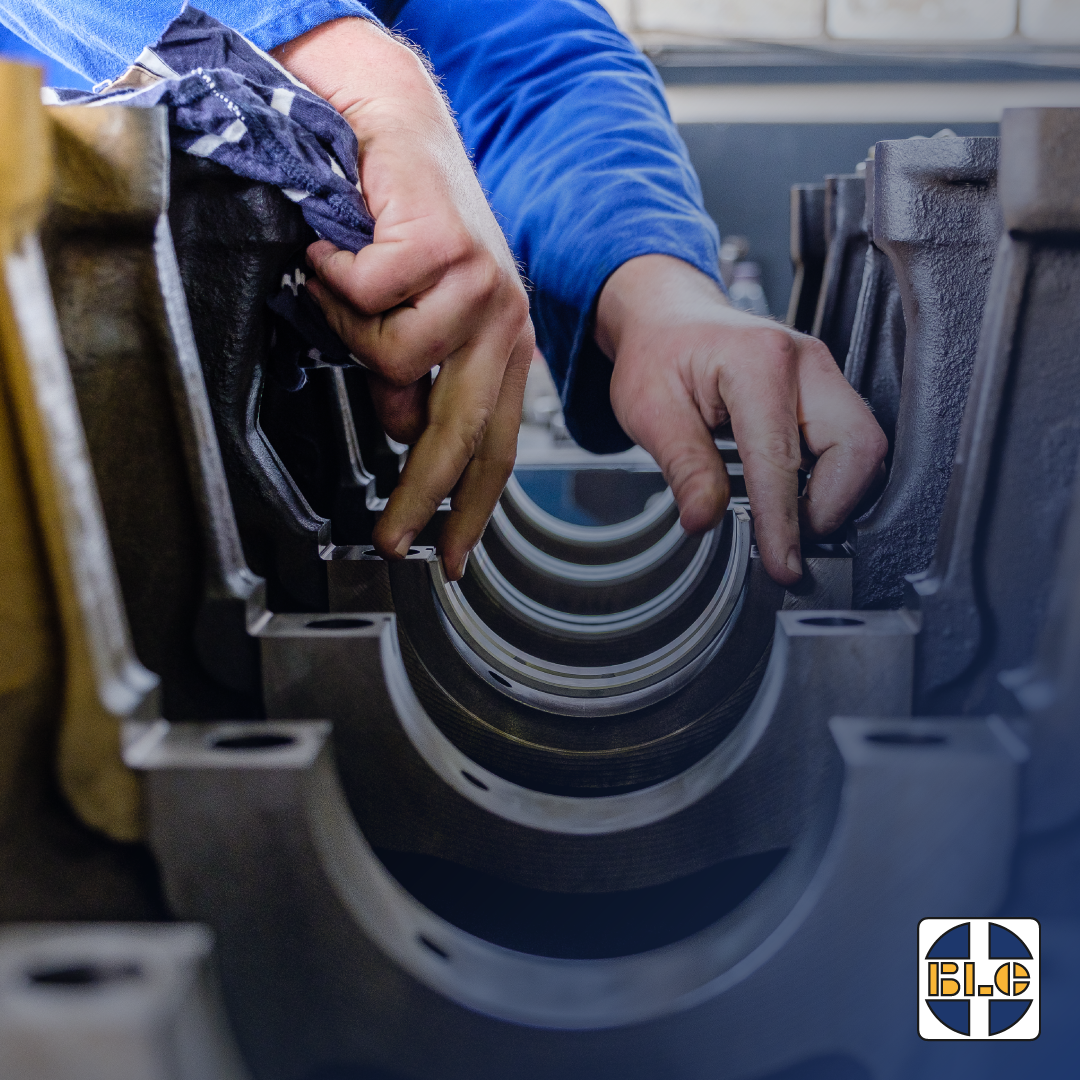
When an engine, transmission, final drive or hydraulic component begins failing, the immediate priority is usually to get the machine working again as quickly as possible.
On an active construction, mining or earthmoving site, a standing machine can interrupt production, delay other equipment and place additional pressure on the rest of the fleet. Under these conditions, it is understandable that the fastest or lowest-cost repair may appear to be the best option.
However, the quickest solution is not always the strongest long-term decision.
A repair may resolve the immediate fault without addressing the underlying cause. A rebuild may extend the life of a machine, but only if the component and the wider equipment are still worth supporting. A reconditioned replacement may reduce standing time, while replacing the component or the complete machine may make more sense when repeated failures are affecting productivity.
At BLC Plant, we work with mining, construction and earthmoving businesses that depend on heavy equipment in demanding operating conditions. From what we see in the field, the strongest repair, rebuild or replacement decisions are made when the component failure, machine condition, downtime, production requirements and long-term equipment value are considered together.
The goal is not only to get the machine running again. It is to return the equipment to reliable operation without creating a repeated cycle of failure, repair and downtime.
Component Failure Is More Than a Workshop Problem
A major component failure does not only affect the workshop.
When a production-critical machine stops working, the impact can move through the wider operation. A failed transmission can remove an articulated dump truck from the haul cycle. An engine problem can stop a wheel loader that is feeding material into production. A final drive failure can leave a dozer or excavator standing, while a hydraulic problem can affect digging, lifting, steering or attachment performance.
The visible repair cost is only one part of the total cost.
The operation may also face:
-
lost production
-
delayed project timelines
-
standing operators and crews
-
pressure on backup equipment
-
increased utilisation of the remaining fleet
-
emergency transport and parts costs
-
workshop labour
-
secondary damage caused by continued operation
-
missed loading, hauling or earthmoving targets
If the machine forms part of a linked production cycle, one component failure may affect several machines at once.
For example, if an excavator is no longer available to load trucks, the trucks may stand waiting. If a dozer is unavailable during site preparation, the next stage of the project may be delayed. If an ADT is removed from a haul fleet, the remaining machines may need to work harder to maintain output.
This is why the repair decision should not be based only on the price of the failed part. The wider effect on production, utilisation and downtime must also be considered.
Start With a Proper Assessment
Before deciding whether to repair, rebuild or replace a component, the cause and extent of the failure should be understood.
One of the most common mistakes is to replace the visibly damaged part without identifying why it failed.
A hydraulic pump may fail because of contamination elsewhere in the system. An engine may overheat because of a cooling, lubrication or operating problem. A transmission failure may be linked to oil condition, loading, poor maintenance or damage in another part of the drivetrain.
If the underlying cause is not corrected, the repaired or replacement component may fail again.
A proper assessment should consider:
-
the nature of the failure
-
the severity of the damage
-
the condition of the component core
-
signs of contamination
-
related system damage
-
previous repairs
-
the machine’s service history
-
total machine hours
-
how the equipment has been used
-
the condition of the wider machine
-
parts and technical information available
The assessment should also determine whether the failure was sudden or whether warning signs were present over time.
Changes in temperature, oil pressure, noise, vibration, performance, hydraulic response or fluid condition can indicate that a component is deteriorating. When these signs are identified early, more repair options may still be available.
Once a component has failed completely, the damage may be more extensive and the cost of recovery may be higher.
The right decision starts with a clear diagnosis. Repairing the symptom without understanding the cause can increase both cost and downtime later.
When a Repair May Be Enough
Not every component problem requires a full rebuild or replacement.
A repair may be the right option when the fault is minor, localised and identified early. The main component must still be in a condition that allows reliable operation once the specific problem has been corrected.
Examples may include:
-
damaged hoses
-
leaking seals
-
faulty sensors
-
electrical issues
-
worn pins and bushings
-
minor hydraulic leaks
-
cooling system faults
-
serviceable wear components
-
localised cylinder issues
-
damaged fittings or connections
Repair may make practical sense when:
-
the damage is limited
-
the component remains structurally sound
-
the cause of the fault is known
-
replacement parts are available
-
no major secondary damage has occurred
-
the repair can restore reliable operation
-
the wider machine remains in good working condition
Timing is important.
A small oil leak, unusual noise or rising operating temperature may seem manageable at first, but continuing to operate the machine can increase the severity of the failure. A damaged seal may allow contamination into a hydraulic system. A cooling problem may lead to engine damage. Worn pins and bushings may cause movement that places additional pressure on surrounding structures.
In our experience, planned repairs are almost always easier to manage than emergency failures. When maintenance teams act early, the machine can often be inspected, repaired and returned to work before the issue causes wider damage.
A repair is most effective when it resolves both the immediate fault and the cause behind it.
When a Component Rebuild Makes Practical Sense
A rebuild may be the better option when a major component has significant wear or damage, but the core unit can still be recovered.
Components that may be suitable for rebuilding include:
-
engines
-
transmissions
-
torque converters
-
final drives
-
differentials
-
hydraulic pumps
-
hydraulic cylinders
-
drivetrain components
A rebuild is more extensive than repairing one damaged area.
The component should be dismantled, cleaned, inspected and measured. Worn or damaged parts should be replaced, tolerances checked and the cause of the original failure corrected. The objective is to restore the component to a reliable operating condition, rather than only addressing the most visible fault.
A rebuild may make commercial sense when:
-
the component core is serviceable
-
the machine is still suitable for the application
-
the wider equipment remains in good condition
-
the customer intends to keep using the machine
-
replacement cost would place unnecessary pressure on capital
-
the rebuilt component can be properly supported
-
parts and technical expertise are available
-
the expected future utilisation justifies the investment
The condition of the machine is important.
Rebuilding an engine in a machine with a strong structure, serviceable hydraulics and a good undercarriage may extend the equipment’s productive life. However, rebuilding the same engine may not make sense if the transmission, hydraulics and undercarriage are also nearing the end of their serviceable life.
A rebuild should therefore never be assessed in isolation.
It should be viewed as an investment in the remaining life of the complete machine. When both the component and the equipment are worth supporting, a rebuild can help protect capital and reduce the need for immediate machine replacement.
The Role of Reconditioned and Service Exchange Components
In some cases, the operation cannot wait for the original component to be rebuilt.
A production-critical machine may be standing during a busy project phase, or the workshop may not have the time or capacity to complete a major rebuild immediately. This is where a reconditioned or service exchange component may provide a practical alternative.
A reconditioned component has typically been dismantled, inspected and restored using serviceable or replacement parts before being made available for installation.
Depending on availability, this may include:
-
engines
-
transmissions
-
final drives
-
differentials
-
torque converters
-
hydraulic pumps
-
other major drivetrain components
A service exchange arrangement may allow the damaged unit to be exchanged for a ready or reconditioned component, reducing the time the machine remains out of production.
This approach can offer a balance between:
-
repair cost
-
turnaround requirements
-
machine value
-
component availability
-
operational urgency
However, the source and quality of the component matter.
Compatibility must be confirmed, and the related machine systems should still be checked before installation. Installing a replacement hydraulic pump without cleaning a contaminated hydraulic system, for example, may place the new component at risk.
A reconditioned component should not be treated as a shortcut around proper diagnosis. The original cause of failure must still be understood and corrected.
When sourced and installed correctly, a reconditioned or service exchange component may provide a practical route back into production without waiting for the original unit to be rebuilt.
When Replacement Is the Better Decision
There are situations where continued repair or rebuilding no longer makes commercial sense.
Replacement may refer to replacing the failed component, or it may mean replacing the machine entirely.
A replacement component may be the better option when:
-
the existing core cannot be recovered
-
damage is severe
-
parts required for rebuilding are unavailable
-
the rebuild would take too long
-
a suitable replacement component is available
-
reliability is critical to production
Replacing the complete machine may need to be considered when:
-
component failures are becoming frequent
-
the wider machine is in poor condition
-
several major systems require attention
-
repair costs are approaching the value of the equipment
-
parts are difficult to source
-
the machine is no longer suitable for the application
-
downtime is affecting contracts or production targets
-
future utilisation does not justify further investment
-
reliability or safety concerns remain
-
a more suitable replacement machine would improve fleet performance
One of the most difficult situations for equipment owners is a machine that continues to absorb repair costs without delivering reliable production.
Each individual repair may appear manageable, but the combined effect of repeated failures, workshop time and lost production can become significant.
This is where the long-term view becomes important.
Continuing to repair an unsuitable or unreliable machine can cost more than replacing it. The decision should be based on what the machine is likely to require over its remaining life, not only what it costs to repair today.
Consider the Condition of the Full Machine
A major component should never be assessed without considering the rest of the equipment.
Before rebuilding an engine or replacing a transmission, the condition of the following areas should be reviewed where relevant:
-
hydraulic system
-
drivetrain
-
undercarriage
-
tyres or tracks
-
structural condition
-
electrical system
-
cooling system
-
boom and arm
-
pins and bushings
-
steering and braking systems
-
service history
-
previous major repairs
If one major component has failed, it is important to understand whether other systems may also be nearing failure.
For example, rebuilding an engine may not provide good long-term value if the transmission is already slipping, the hydraulic system is contaminated and the undercarriage requires extensive replacement.
On the other hand, a major rebuild may be commercially sensible if the machine is otherwise in sound condition, remains suitable for the application and still plays an important role in the fleet.
The future role of the machine should also be considered.
Will it remain a production-critical unit? Will it be used as backup equipment? Is it required for a specific contract? Will it continue working enough hours to justify the rebuild?
The value of a component rebuild depends on the health and future role of the whole machine.
Downtime and Production Requirements Should Influence the Decision
The technically ideal solution is not always the best operational solution.
A complete component rebuild may offer strong long-term value, but it may keep a production-critical machine standing longer than the operation can afford. A replacement component may cost more upfront but return the machine to work sooner.
The decision should consider:
-
how critical the machine is to production
-
whether backup equipment is available
-
project or contract deadlines
-
the cost of standing time
-
component and parts lead times
-
workshop capacity
-
transport requirements
-
the time required for diagnosis and repair
-
whether rental equipment is available
-
whether another machine can temporarily take over the work
For a machine that is not urgently required, a planned rebuild may be the strongest option. For a machine that supports a continuous loading or haulage cycle, the operation may need a faster solution.
Rental equipment can sometimes help protect production while a machine is being repaired or rebuilt. A replacement machine may also be considered if the existing unit is likely to remain unreliable.
From what we see on active sites, equipment decisions work best when technical condition and operational urgency are considered together.
The aim should be to protect both the machine and the operation.
Cost Should Be Considered Over the Remaining Life of the Machine
The cheapest immediate option is not always the most cost-effective long-term option.
A low-cost repair may save money today, but if it does not address the root cause or restore reliable operation, the machine may return to the workshop soon afterwards.
The decision should consider:
-
immediate repair cost
-
expected future repair costs
-
cost of machine downtime
-
remaining equipment life
-
expected utilisation
-
replacement value
-
potential resale value
-
parts availability
-
reliability risk
-
suitability for future work
For example, repairing a transmission fault may be sensible if the machine is otherwise reliable and the problem is localised. Rebuilding the transmission may offer better value if wear is more extensive, but the machine remains productive.
Replacing the machine may be the stronger decision if the transmission failure is one of several major issues and the equipment no longer fits the operation’s needs.
The calculation is not only about how much money is spent. It is about what the business receives in return.
Will the repair provide reliable production?
Will the rebuild extend useful machine life?
Will the replacement reduce repeated downtime?
Will the machine still be suitable for future projects?
The most cost-effective decision is the one that supports reliable operation over the machine’s realistic remaining life.
Common Mistakes to Avoid
Repair, rebuild and replacement decisions are often made under pressure. This can lead to choices that solve the immediate problem but create higher costs later.
Common mistakes include:
-
continuing to operate after warning signs appear
-
repairing the symptom without identifying the cause
-
choosing the lowest-cost repair without considering long-term value
-
rebuilding a component without inspecting the rest of the machine
-
installing a replacement component without checking related systems
-
failing to clean contamination from hydraulic or lubrication systems
-
waiting until a component fails completely
-
ignoring parts and technical support availability
-
overlooking reconditioned or service exchange options
-
failing to plan for backup or rental equipment
-
repeatedly repairing a machine that no longer suits the application
-
making the decision based only on the component price
These mistakes can lead to repeat failures, secondary damage, longer standing time and higher overall operating costs.
The better approach is to assess the component, the complete machine and the operation as one system.
A repair decision should answer more than one question:
-
What failed?
-
Why did it fail?
-
What else may have been affected?
-
Is the machine worth supporting?
-
How quickly must it return to work?
-
What option provides the strongest long-term value?
How BLC Plant Supports Repair, Rebuild and Replacement Decisions
At BLC Plant, we help customers look beyond the immediate component failure.
The right solution may involve sourcing a replacement part, repairing a serviceable component, installing a reconditioned unit, rebuilding an existing component, arranging temporary rental equipment or replacing the machine with equipment better suited to the operation.
Our wider equipment offering allows customers to consider more than one route.
BLC Plant supports customers through areas that include:
-
heavy equipment parts
-
used parts
-
reconditioned components
-
engines
-
transmissions
-
final drives
-
differentials
-
hydraulic components
-
equipment dismantling
-
field and workshop support
-
machine rebuilds
-
used replacement machinery
-
rental equipment
For a customer dealing with an engine failure, the best solution may be a component rebuild if the wider machine remains in good condition. For another customer, a reconditioned engine may reduce standing time. In a different situation, repeated failures may indicate that a replacement machine is the more commercially sound option.
The same applies to transmissions, final drives, hydraulics and other major components.
At BLC Plant, the goal is not simply to supply a part. It is to help customers find a practical equipment solution that matches the machine, the site, the urgency of the failure and the long-term needs of the operation.
Final Thoughts
Not every component problem requires replacement, and not every damaged component is worth rebuilding.
A minor fault identified early may only require a planned repair. A major component with a recoverable core may be suitable for rebuilding. A reconditioned or service exchange unit may reduce standing time, while replacement may be the stronger decision when repeated failures or poor machine condition are affecting productivity.
The earlier the equipment is assessed, the more options are usually available.
The right decision should consider:
-
the cause and severity of the failure
-
the condition of the component
-
the condition of the full machine
-
the cost of downtime
-
future utilisation
-
parts and support availability
-
the machine’s long-term value to the operation
When these factors are considered together, equipment owners are better positioned to avoid repeat failures, protect machine value and keep production moving.
Not Sure Whether to Repair, Rebuild or Replace?
When a major equipment component begins failing, the right decision depends on more than the immediate repair cost.
Speak to BLC Plant about parts, reconditioned components, rebuild support, replacement machinery and rental options suited to your machine, site requirements and long-term equipment strategy.